Process intelligence, bioprocess analytics, and CDMO operations — from the team building Fermentile.
Scale-up transfer failures are among the most costly events in a CDMO's operations. A look at how early deviation detection changes the calculus at each transition point.
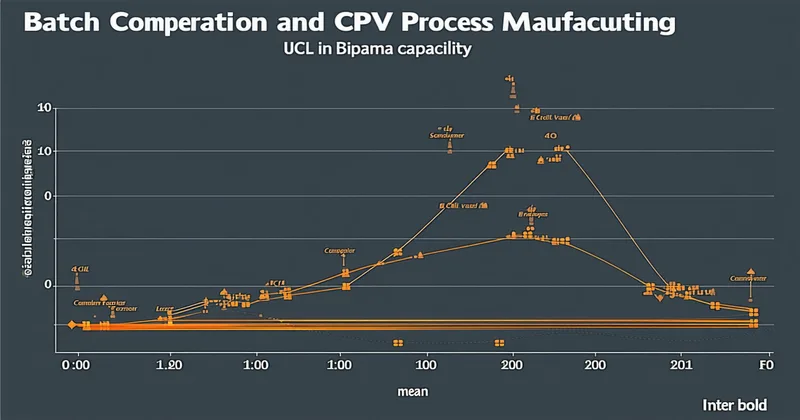
Golden batch models are only as good as the historical run data behind them. Here is how the modeling process works when applied to real CDMO program data.
OPC-UA is the standard data exchange protocol for pharmaceutical process control systems, but connecting historian data to analytics software is not always straightforward.
Regulatory-grade batch records require complete traceability of every process parameter. Automated assembly from live sensor data can cut that burden significantly.
Emerson DeltaV historian stores every process variable from a fermentation run, but extracting actionable insight from that archive requires more than trend queries.
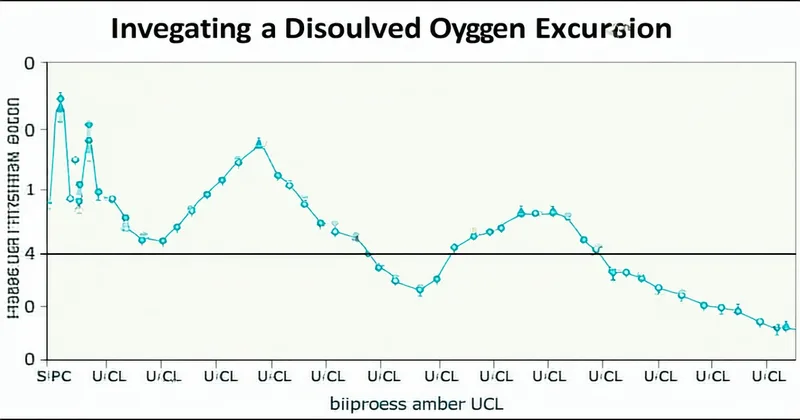
Dissolved oxygen trajectories often carry the first signal of a developing batch failure, yet most control system dashboards do not surface these patterns until the alarm threshold is crossed.
Mammalian and microbial fermentation campaigns share a common bottleneck: process variability that is visible in the sensor data but invisible to operators in real time.
Process engineers already live in their ELN during an active fermentation campaign. Routing deviation alerts and batch summaries into Benchling or SciNote removes one more context switch.