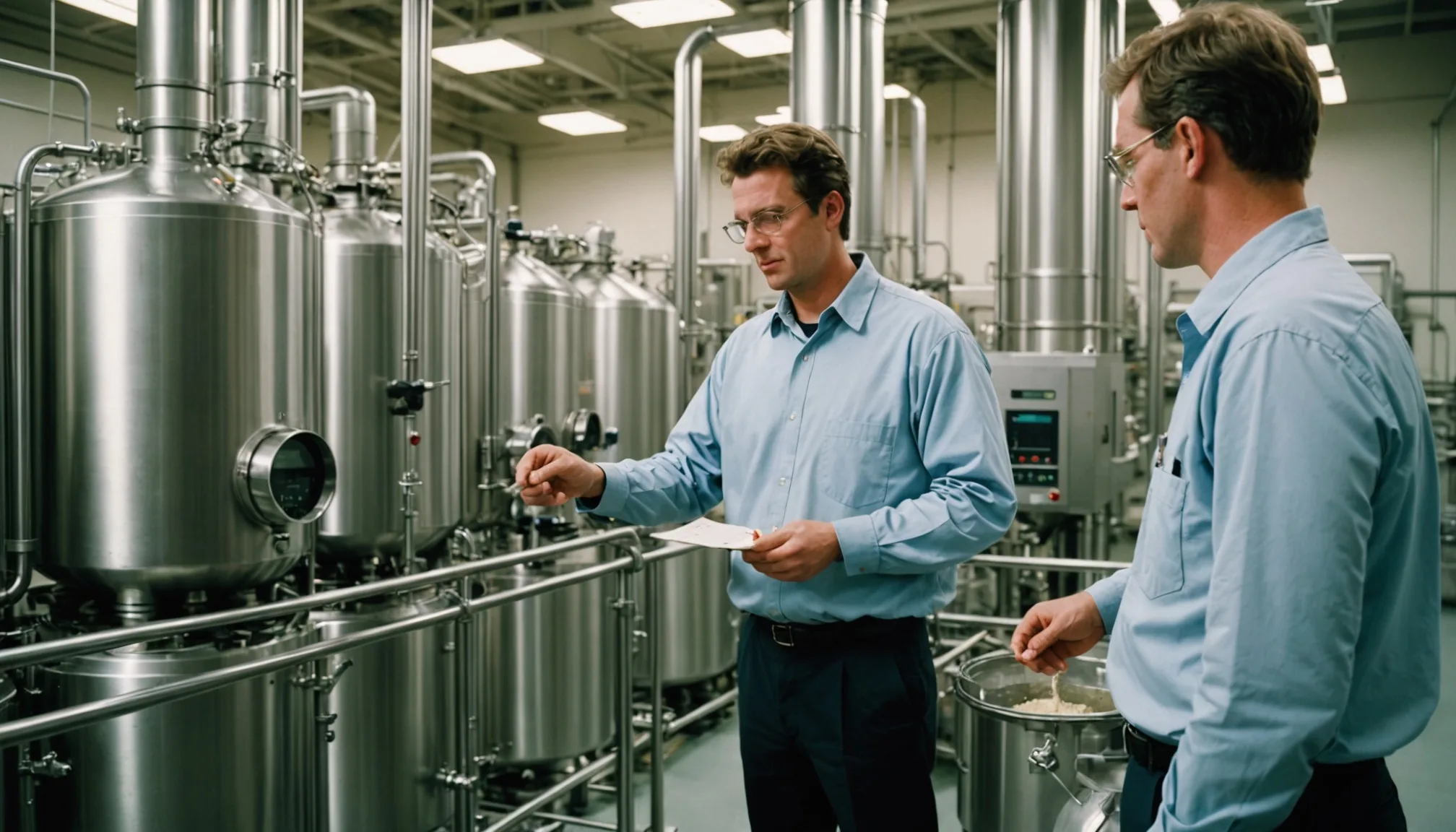
Scale-up transfer failures follow a predictable pattern. The process performs well at 2L. It holds at 20L. Then at 200L or 2,000L, something breaks. Yield drops. The batch fails. The CDMO writes off $90,000 or more in lost material and re-run labor, the client pushes their timeline out by three to six weeks, and the root-cause investigation leads right back to process data that was sitting in the historian the entire time.
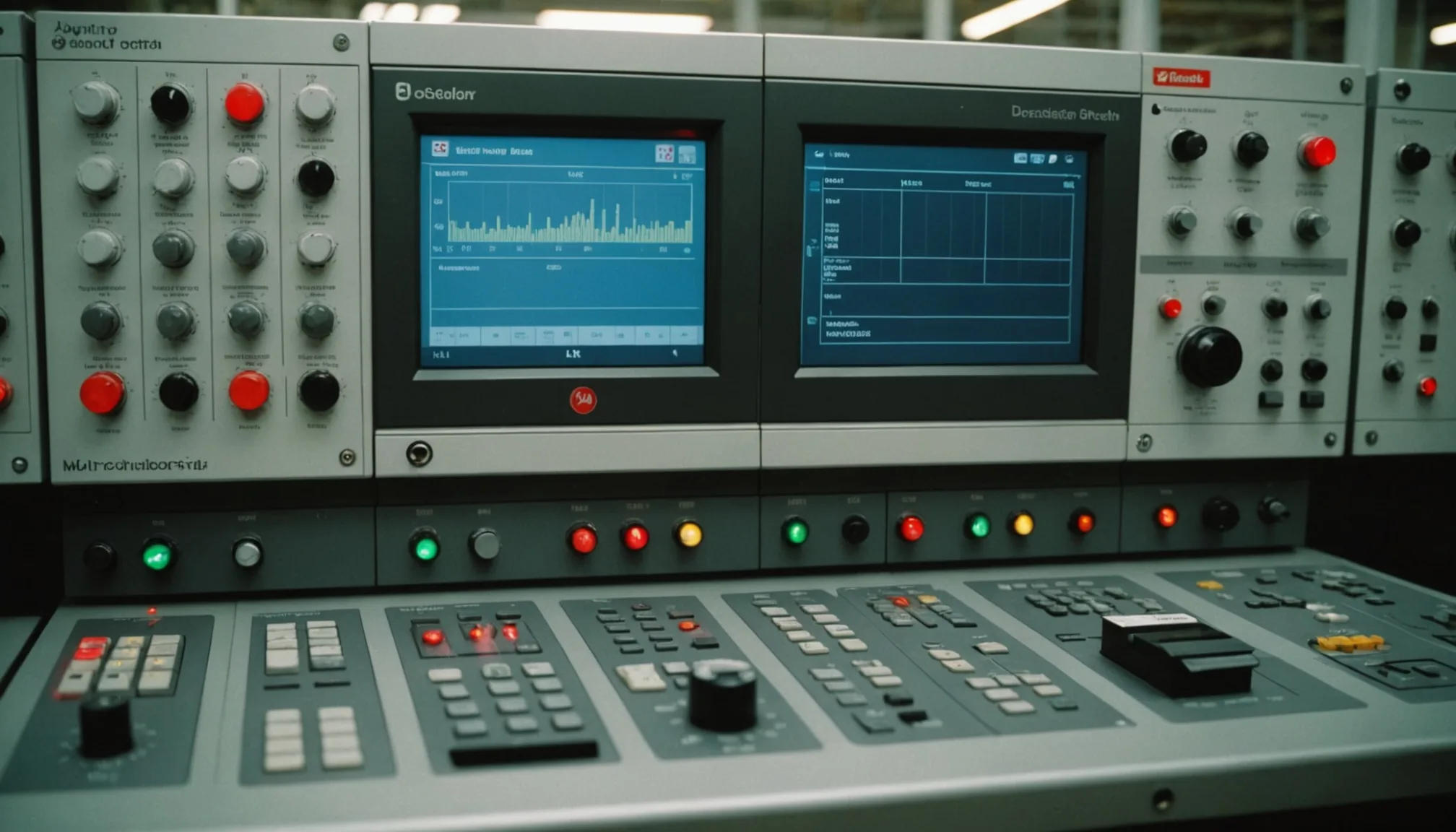
We've seen this play out repeatedly across specialty CDMOs running microbial and mammalian fermentation campaigns. The data problem is not usually what people think it is. The sensors are there. The historian is logging everything. DeltaV or SIMATIC PCS 7 is capturing dissolved oxygen, pH, temperature, agitation rate, gas flow. The data exists. What does not exist, in most cases, is a system that compares the live sensor stream against the historical trajectory of a successful run and raises a flag before the batch crosses the point of no return.
Why Scale-Up Deviations Are Different
Deviation management at development scale is, in a relative sense, cheap. A 2L batch failure costs you media, time, and some operator hours. At manufacturing scale, the cost structure changes entirely. Industry data puts batch failure and yield deviation rates at 15 to 30 percent for scale-up campaigns at specialty CDMOs. Each failed batch at manufacturing scale typically runs $40,000 to $180,000 in direct losses. That range reflects the wide variation in organism complexity, media cost, and re-run labor, but even at the low end, three consecutive scale-up failures can define the financial trajectory of an entire CDMO program year.
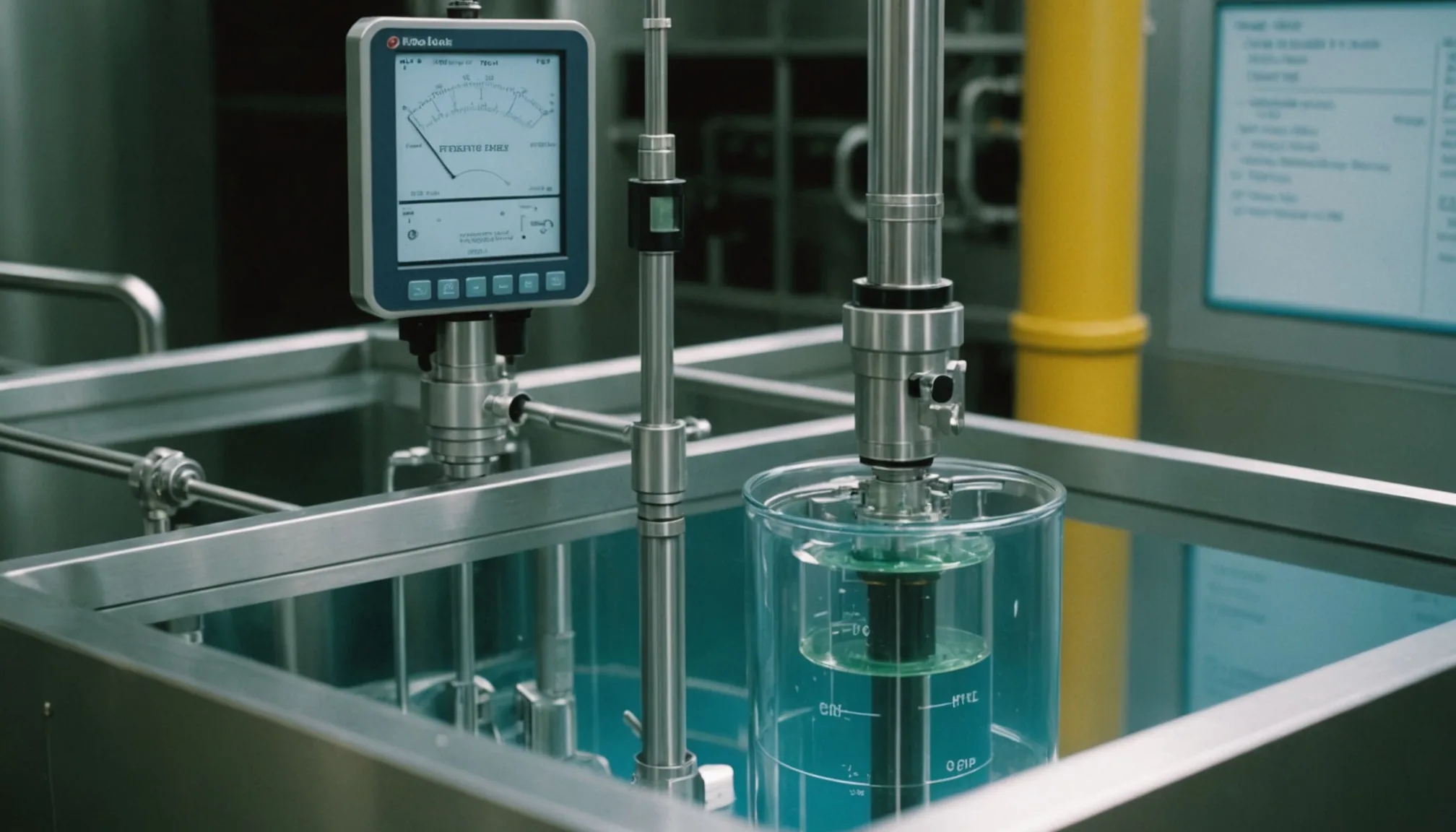
The more specific problem with scale-up transfers is that the deviations are not random. They tend to cluster around a small set of physical and biochemical causes: oxygen transfer limitations that do not manifest at small scale, mixing time differences that produce nutrient gradients in large bioreactors, shear stress profiles that stress cell membranes in ways that never appeared in the 2L vessel. The dissolved oxygen trajectory almost always carries the first signal. So does the pH drift pattern in the exponential phase.
Here is the thing most control systems miss: these signals appear hours before the batch is compromised. In our tracking of historical deviation events at CDMOs using DeltaV historian data, the earliest detectable signal typically precedes the irreversible failure point by two to four hours. That window is enough to intervene. The problem is that no one is watching for it systematically.
What a Golden Batch Model Actually Does
The phrase gets used loosely, so it is worth being precise. A golden batch model, as we use it, is a statistical representation of the multivariate process trajectory across a successful run for a specific product-organism-bioreactor combination. It is not a single ideal set of setpoints. It is a probability envelope around the expected behavior of pH, dissolved oxygen, temperature, agitation, metabolite profile, and feed timing at each phase of the fermentation run, built from the CDMO's own historical records.
Building it requires enough historical run data to estimate the variance at each time point. For programs with sparse run histories, three to five good runs are the minimum; eight to twelve produce a model with reliable confidence intervals. The model is specific to the equipment. A model trained on a 200L Sartorius bioreactor at one CDMO site does not transfer directly to a 200L Applikon at another site, even for the same organism. Equipment geometry, sparger design, and impeller configuration all affect the process signatures in ways that matter.
Once the model exists, it becomes the reference. During an active batch, the live sensor stream is compared against the golden trajectory continuously. A deviation score is updated every five minutes. If the score crosses a threshold associated with prior yield-failure events, an alert fires. The alert is not just a flag. It includes a ranked hypothesis about the deviation category, whether that is an oxygen transfer limitation, a metabolic shift, a contamination signature, or a foam event, along with corrective action options derived from batch records where the same deviation pattern was caught and resolved.
The OPC-UA Connection Point
Connecting a process intelligence system to an existing bioprocess control environment is where many CDMO teams run into friction. The theoretical standard is OPC-UA. In practice, DeltaV and SIMATIC historian configurations vary enough between sites that integration is never just plug-and-play.
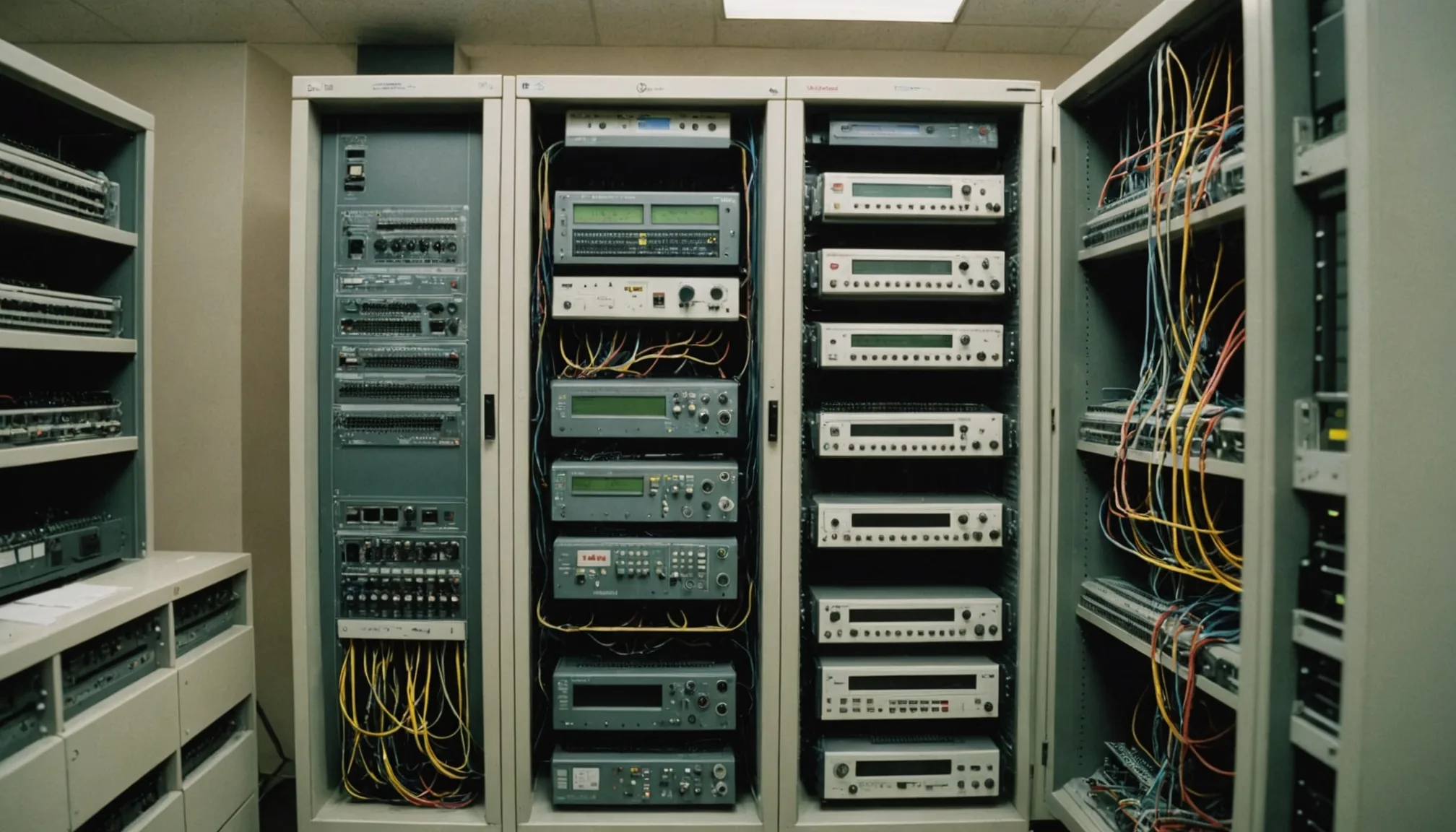
Most specialty CDMOs have DeltaV systems running historian on-premise, with no existing API layer for external analytics tools. Getting data out requires either a direct OPC-UA server configuration pointing to the historian, a CSV export pipeline with defined polling intervals, or a custom connector built against the DeltaV data access SDK. Each approach works. Each has tradeoffs in latency and operational overhead.
For scale-up deviation prevention specifically, latency matters. A five-minute polling interval on the CSV export path is workable. A fifteen-minute interval is not. The two-to-four-hour window between early deviation signal and irreversible failure is narrow enough that slow data retrieval shrinks the intervention window to the point of being operationally useless. Real talk: if your analytics pipeline is pulling historian data every thirty minutes to generate a batch report, it is not a deviation detection system.
Scale-Up Transfer as a Distinct Problem
Beyond in-run deviation detection, scale-up transfers themselves benefit from predictive guidance before the first manufacturing run begins. The core challenge is that the engineering correlations for oxygen transfer coefficient, mixing time, and shear stress change non-linearly with vessel volume and geometry. A process that runs cleanly at a dissolved oxygen setpoint of 40% in a 2L vessel may require a different aeration strategy entirely at 2,000L to maintain equivalent oxygen delivery to the culture.
In our experience, the most reliable approach to scale-up run sheet generation is a combination of first-principles engineering correlations and a regression model trained on the CDMO's own historical scale-up transfer records. The engineering correlations provide the structural prediction. The regression model corrects for equipment-specific behavior that theory does not fully capture. The output is a starting protocol: agitation speed, aeration rate, feed rate timing, and pH and dissolved oxygen setpoint adjustments that should reproduce the development yield at the target scale.
That run sheet is not a guarantee. Scale-up is inherently experimental. But it shifts the expected outcome distribution. Historically, CDMOs running scale-up transfers without predictive guidance see first-attempt success rates of 50 to 70 percent. With a model-guided run sheet and real-time deviation monitoring on the first manufacturing run, first-attempt success rates can move substantially in the right direction. The data from that first run, regardless of outcome, feeds back into the model and improves the guidance for subsequent batches.
Alert Delivery and Workflow Fit
A deviation alert that reaches a process engineer forty minutes after they could have acted is not a useful tool. It is a postmortem notification. The workflow design of alert delivery matters as much as the detection itself.
Process engineers at most CDMOs are running multiple programs simultaneously and are not sitting in front of a dedicated monitoring dashboard. They are in their ELN. They are reviewing batch records. They are in a shift handoff meeting. An alert delivered into the Benchling or SciNote workflow they already use during a campaign is an alert they will actually see and act on. An alert delivered to a separate monitoring application that requires a login and a context switch is an alert that gets missed during a critical intervention window.
The timing matters too. Our threshold design targets alert delivery at least two hours before the estimated point-of-no-return for the deviation category detected. For an oxygen transfer limitation in the exponential growth phase, that window is usually sufficient to adjust aeration rate, lower agitation speed to reduce foam, or modify the feeding profile. For a contamination signature, two hours is enough to confirm the signal and make a containment decision before the batch contaminates downstream equipment.
What the Data-First Approach Changes
The framing of scale-up deviation prevention as a data problem rather than a chemistry or biology problem is not an abstract point. It has practical implications for where CDMOs invest their process development resources.
Fact: most scale-up failures at specialty CDMOs are not caused by problems that require new science to solve. They are caused by process variability that was present in the historical data but never systematically compared against real-time runs. The biology is understood. The process chemistry is understood. What is missing is the detection layer that turns historical knowledge into real-time awareness.
That detection layer has to be built on the CDMO's own data. Generic industry models are not useful for this problem. Fermentation processes are equipment-specific, organism-specific, and media-specific in ways that make a model trained on one CDMO's data essentially useless for another. The value is in the historical run records a CDMO already has. The question is whether those records are being used to protect the next batch or just to document the last one.
For CDMOs where scale-up campaign yield deviations are a recurring cost driver, the data for prevention is almost certainly already there. The infrastructure question is whether it is being connected to real-time batch monitoring in a way that actually closes the window before the batch fails.
Interested in how Fermentile connects to your existing DeltaV or SIMATIC historian to establish deviation detection on active campaigns? Request a demo to walk through the integration path for your site configuration.